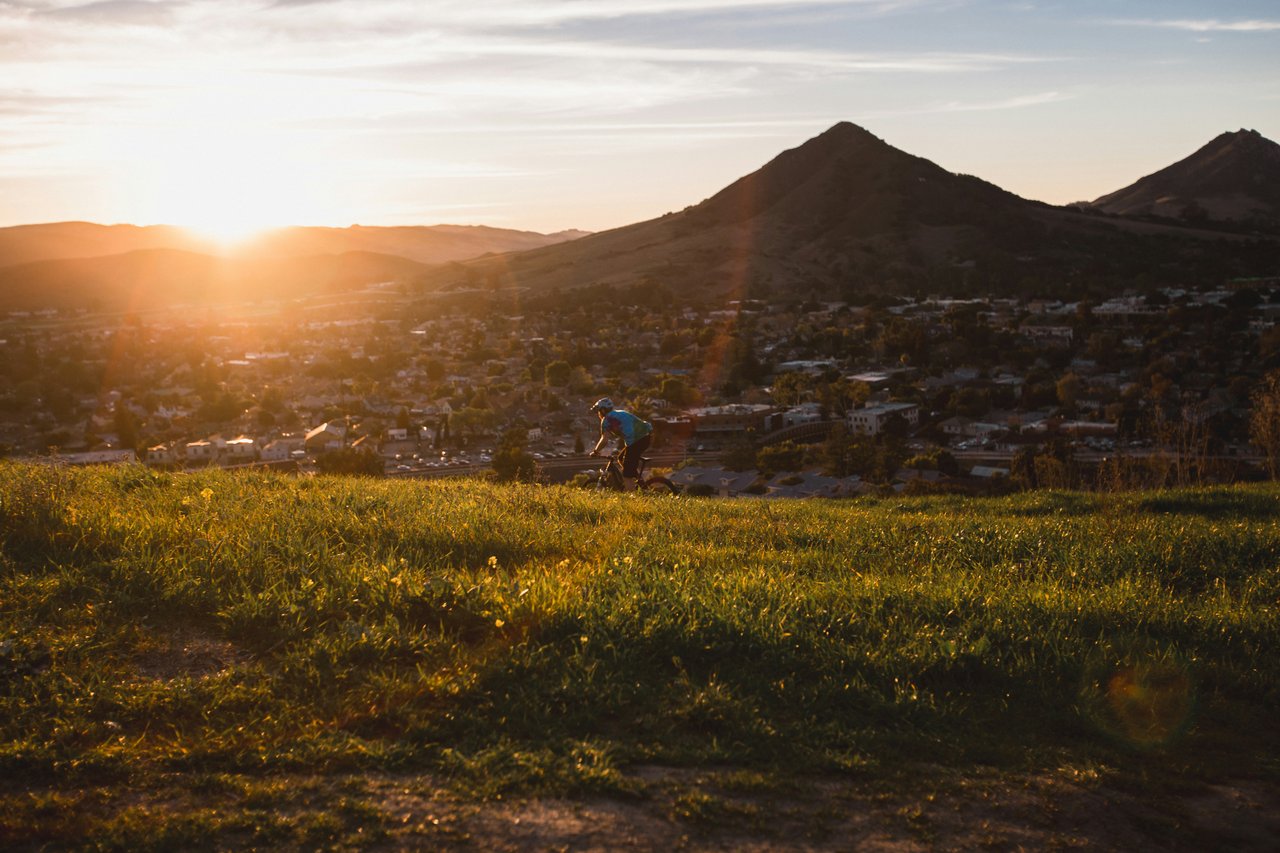
If you picture coastal living as a nonstop vacation, Pismo Beach comes close, but daily life here is more nuanced than postcards and sunset photos. You may be wondering what it actually feels like to live near the sand, run errands, get around town, and choose the right part of the city for your lifestyle. This guide breaks down what you can expect from living in Pismo Beach, from neighborhood character to walkability, access, and everyday routines. Let’s dive in.
Why Pismo Beach draws buyers
Pismo Beach is a compact coastal city with about 7,911 residents across 3.5 square miles. That smaller footprint gives the city an intimate feel, while its beach setting, local events, and visitor-friendly amenities keep the energy active throughout the year.
You are not just moving to a beach town. You are moving to a city that describes itself as recreation- and tourism-oriented, with more than 65 restaurants and more than 30 hotels, motels, inns, and RV parks. At the same time, city goals continue to focus on preserving small beach-town character while improving neighborhoods, coastal access, sidewalks, and bicycle and pedestrian infrastructure.
For many buyers, that balance is the appeal. Pismo Beach offers a strong lifestyle identity, but it still functions as a real place to live day to day.
What the housing picture looks like
Pismo Beach is a high-value coastal market. Census data shows a median owner-occupied home value of $1,021,300, a median gross rent of $2,232, and a 64.6% owner-occupancy rate.
That tells you a few things right away. First, ownership is common, which can appeal to buyers looking for a more established residential base. Second, the price point reflects the city’s limited size, coastal location, and steady demand for lifestyle-driven living.
If you are planning a move here, it helps to look beyond price alone. In Pismo Beach, where you live can have a major impact on how your day-to-day experience feels.
Where people live in Pismo Beach
Pismo Beach organizes land use into 22 neighborhood planning areas, but a few stand out most for buyers comparing lifestyle options. The biggest differences usually come down to access, walkability, housing mix, and how close you want to be to the visitor core.
Downtown Core and Motel District
Downtown is the heart of Pismo Beach’s shop-and-stroll environment. This area combines shops, restaurants, cafes, art studios, the pier, the plaza, and the boardwalk in a compact setting that feels very connected to the beach.
Residential uses do exist here, mixed with commercial and public spaces. If you want to be close to activity and enjoy the easiest access to dining, ocean views, and beach walks, this part of town may feel especially convenient.
South of Dinosaur Caves, the Motel District is primarily resort-commercial, with hotels and restaurants making up much of the area. There is some medium-density residential along Franklin Drive, Wilmar Avenue, and Harbor View Avenue, which can suit buyers who want coastal access near the city’s hospitality corridor.
Shell Beach and Dinosaur Caves area
Shell Beach has a distinct residential identity. The area is known for its cliffside setting and eclectic mix of architectural styles, so it tends to feel less like a uniform subdivision and more like a layered coastal neighborhood that developed over time.
The broader Shell Beach and Dinosaur Caves area includes a mix of low-, medium-, and high-density residential uses. Terrace Avenue includes Shell Beach Elementary, and the area around Shell Beach Village is predominantly medium-density residential, with higher-density housing closer to Shell Beach Road’s commercial frontage.
Dinosaur Caves Park is one of the everyday highlights here. Its 11 acres include walking trails, a playground, and ocean views, giving residents an easy way to enjoy the coast without planning a full outing.
Sunset Palisades, South Palisades, and Spyglass
If you want a more residential setting with coastal orientation, these areas are worth a close look. Sunset Palisades, also called The Bluffs in city planning documents, is an ocean-oriented neighborhood with mostly low-density housing and a low-profile residential character.
South Palisades includes both clustered multifamily and single-family development. That creates a little more variety in housing type while still keeping a primarily residential feel.
South of Spyglass Drive, Spyglass is a fully developed residential area with several housing types, a small commercial center, and Spyglass Public Park. It also functions as a gateway into town because of the nearby U.S. 101 ramps, which can be a practical plus if regional access matters to you.
East-of-101 neighborhoods
East of U.S. 101, you will find areas like Oak Park Heights, Pismo Heights, and Freeway Foothills and Mattie Road. These neighborhoods generally feel more separated from the beach visitor core and may appeal to buyers who want a more residential rhythm.
Oak Park Heights includes low- and medium-density residential uses with surrounding open space and some commercial activity near the city’s southern boundary and the freeway. Pismo Heights is almost fully built out and is mostly low-density residential, with some medium- and high-density housing near U.S. 101.
Freeway Foothills and Mattie Road include low- and medium-density neighborhoods, planned residential areas, a restaurant, and a small shopping complex. One important practical note is that this area is physically separated from much of the city by the freeway, so access patterns can affect your daily routine more than you might expect on a map.
Walkability and daily convenience
Walkability in Pismo Beach depends heavily on location. Downtown is the clearest choice if you want a walk-first lifestyle, because most downtown streets have sidewalks on both sides and the city notes that its pedestrian and bicycle network supports both commuting and recreation.
In other parts of town, the experience is more mixed. Some streets in Shell Beach and Pismo Heights, parts of Mattie Road, and some private or gated communities have no sidewalks or only intermittent sidewalks.
That does not make those neighborhoods less appealing. It simply means your daily routine may rely more on driving, and your sense of convenience will depend on the exact street and access route.
Beach access is part of real life here
In many coastal towns, beach access sounds great in theory but feels harder in practice. In Pismo Beach, it is one of the city’s defining everyday amenities.
The Pismo Beach Pier stretches 1,200 feet and is used for walking, sightseeing, fishing, and sunset viewing. Wilmar Stairs offers another memorable access point, with ocean vistas built into the route down.
The city’s beach-access guide also maps multiple bluff-top trails and stairways along the coast. For residents, that means the beach is not just a weekend activity. It can be part of your morning walk, evening reset, or quick break in the middle of the day.
Shopping, dining, and local activity
A lot of daily life in Pismo Beach revolves around two main activity areas. The first is downtown, where shops, restaurants, cafes, and art studios create a compact social and dining hub.
The second is the Pismo Creek and Pismo Marsh corridor. This area includes the Pismo Beach Premium Outlets, open space, walking trails, the Monarch butterfly grove, and campground uses.
That combination makes it easy for errands and recreation to overlap. You might shop, grab a meal, and fit in a walk all within the same general part of town.
The city also keeps an active annual calendar. Official listings include the 4th of July Celebration, Classic California Car Show, Clam Festival, and Jubilee-by-the-Sea Jazz Festival, which add another layer to community life throughout the year.
Parking and access tradeoffs
One of the biggest lifestyle tradeoffs in Pismo Beach is convenience versus access management. Downtown offers a compact, amenity-rich experience, but parking is part of the equation.
The city says paid parking applies in the core downtown area from 10:00 a.m. to 6:00 p.m. daily. It also offers a residential and business discount parking permit program for downtown lots.
If you love being in the middle of the action, that may feel like a reasonable trade. If you prefer a quieter residential setting or easier car access, hillside and east-of-101 areas may better match your routine.
Getting around the region
Pismo Beach may feel small, but it has strong regional connections. U.S. 101 runs through the city and provides direct access to Arroyo Grande and Grover Beach, along with San Luis Obispo to the north and Santa Maria to the south.
That connectivity matters because Pismo Beach functions as part of a larger South County network. Census data shows a mean travel time to work of 23.0 minutes, and the city’s transportation planning notes that freeway and railroad corridors shape how people move between different parts of town.
Transit adds flexibility too. RTA Route 10 runs along Highway 101 and connects San Luis Obispo, Cal Poly, Shell Beach, Pismo Beach, Grover Beach, Arroyo Grande, Nipomo, and Santa Maria. Routes 21 and 24 connect the Pismo Outlets with Arroyo Grande, Grover Beach, and Pismo Beach, and the free Avila/Pismo trolley offers seasonal connections between the outlets, Avila Beach, Port San Luis, Shell Beach, and Pismo resorts.
Nearby rail access in Grover Beach adds another regional option. For buyers relocating from outside the area, that broader network can make Pismo Beach feel more connected than its size suggests.
What the lifestyle really feels like
Living in Pismo Beach often comes down to your preferred rhythm. If you want to walk to restaurants, spend time near the pier, and keep the beach close to your daily routine, downtown and Shell Beach may be the most natural fit.
If you want more separation from the visitor core, neighborhoods like Sunset Palisades, South Palisades, Oak Park Heights, Pismo Heights, and Freeway Foothills can offer a more residential feel. In those areas, topography, roadway layout, and freeway access tend to matter more.
There is also a broader Central Coast benefit here. Pismo Beach places you within reach of South County, San Luis Obispo, Santa Maria, and the county’s two wine-country destinations, Paso Robles Wine Country and San Luis Obispo Wine Country.
That mix of beach living and regional access is a big reason buyers stay interested in Pismo Beach. You get a compact coastal setting, but you are still connected to a larger lifestyle map.
If you are thinking about buying or selling in Pismo Beach, local guidance matters because the right fit often comes down to block-by-block feel, access patterns, and how you want to live day to day. For personalized insight on coastal neighborhoods and Central Coast lifestyle moves, connect with Julianne Desjardins.
FAQs
What is daily life like in Pismo Beach, California?
- Daily life in Pismo Beach blends coastal recreation with practical routines, with beach access, dining, shopping, and regional commuting all playing a role depending on where you live.
Which parts of Pismo Beach are most walkable?
- Downtown Pismo Beach is generally the most walkable area, with sidewalks on most streets and close access to shops, restaurants, the pier, and the boardwalk.
What is Shell Beach like for living in Pismo Beach?
- Shell Beach offers a cliffside residential setting, an eclectic mix of home styles, and easy access to coastal parks, trails, and ocean views.
Are there quieter residential areas in Pismo Beach?
- Yes, areas such as Sunset Palisades, South Palisades, Oak Park Heights, Pismo Heights, and Freeway Foothills generally feel more residential and more removed from the downtown visitor core.
Is parking a factor when living near downtown Pismo Beach?
- Yes, paid parking applies in the core downtown area from 10:00 a.m. to 6:00 p.m. daily, so parking is an important part of day-to-day planning if you live or spend time there.
How connected is Pismo Beach to nearby Central Coast cities?
- Pismo Beach is connected by U.S. 101, regional bus routes, seasonal trolley service, and nearby rail access in Grover Beach, making it easy to reach surrounding South County and Central Coast destinations.